
What is my life building me into?
Country: United States
Language: English
Genre: Communication & Social Skills, Emotional Self Help, Relationship,
Release: February 15th, 2026
Media type: Print, Digital
Pages: 192
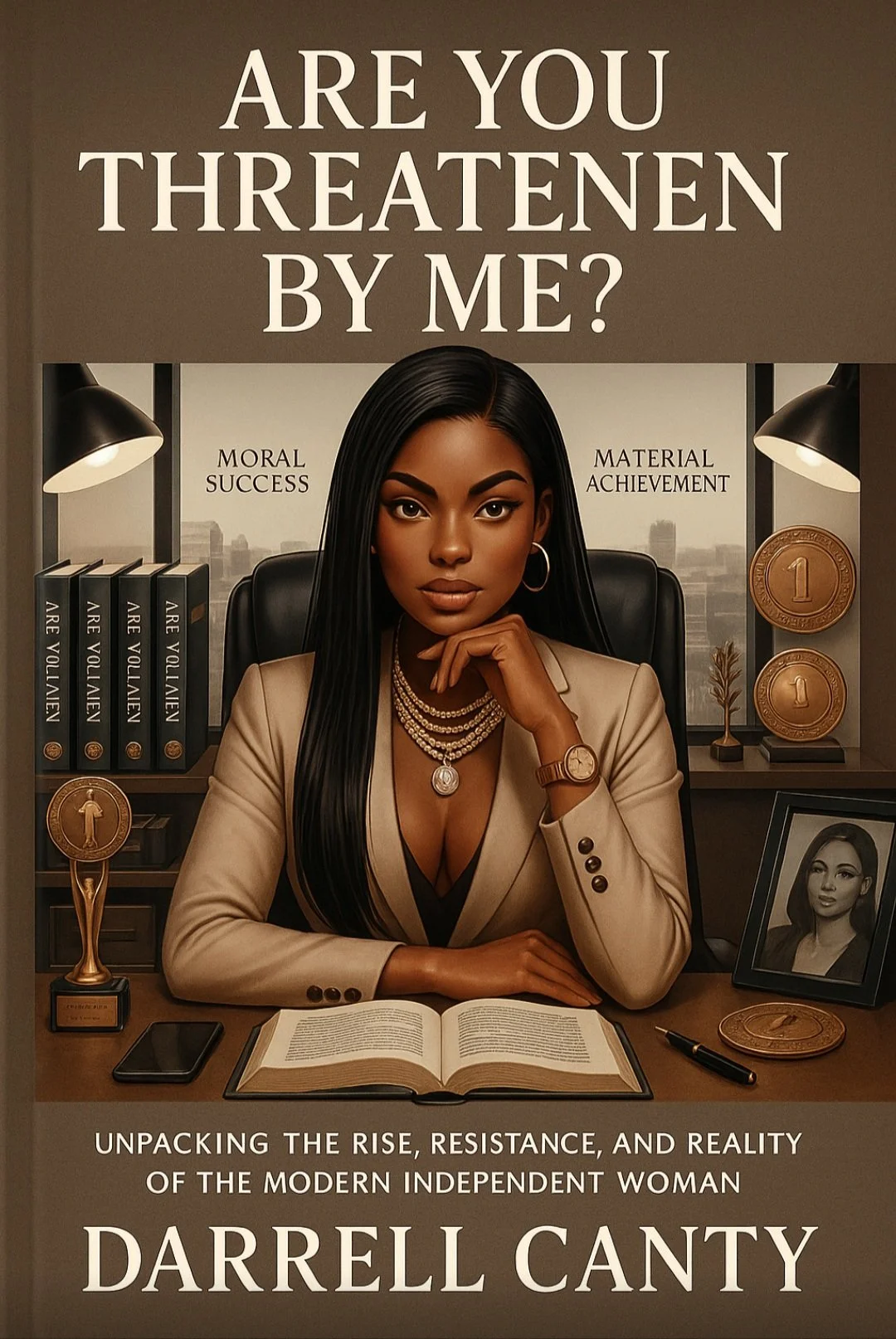
SAMPLE OF BOOK BELOW
-
INTRODUCTION - CHAPTER 1
IntroducTION
In a world that increasingly celebrates individualism, the strong independent woman stands as a testament of recognition, ambition, and self-determination. She is the woman who charts her own path, undeterred by societal past stereotypes or expectations, breaking through barriers to achieve her professional goals. However, the journey of a strong independent woman is as complex as it is rewarding, lonely as it is fulfilling. While she reaps the benefits of autonomy, success, and self-assurance, this path is not without its sacrifices. Her strength often demands choices that redefine traditional values and roles, relationships, and priorities, revealing both the triumphs and the challenges of her independence.
This book seeks to explore the true essence of a strong independent woman, her desires, challenges, and triumphs, not just as an archetype but as a living, breathing individual who navigates life with determination and resilience. It delves into the benefits and consequences of this type of independence, the mindset required to achieve this strength, and the profound ways it shapes her personal and professional life. We will also examine the delicate balance she must maintain between self-reliance and vulnerability, success and isolation, as well as the conflicts and complexities that arise when confidence and ambition collide with feminist norms and personal relationships.
The Rewards of Independence
This book hopes to uncover the true picture of a strong independent woman who embodies a life of freedom and self-reliance. She has the ability to make decisions that align with her values, desires, and goals without relying on others for financial, or social support. Her independence allows her to pursue her dreams and what she wants unapologetically, take risks that lead to success, and create a life that reflects her unique vision without the input or assistance of others.
This autonomy brings a sense of empowerment. By taking control of her destiny, she develops confidence in her abilities, builds resilience in the face of challenges, and learns to value herself beyond external validation. Her accomplishments often serve as an inspiration to others, demonstrating the possibilities of a life driven by purpose and passion.
Furthermore, we examine the independent woman as she contributes a unique perspective to her relationships and communities that redefines a woman’s design. Her confidence, self-assurance, and experiences enrich the lives of those around her, offering insights, financial security, and financial solutions that challenge the status quo. Her strength encourages others to embrace their potential, and her success creates opportunities for other women to follow in her footsteps.
The Costs of this Independence
However, the rewards of independence often come with significant sacrifices. One of the most profound challenges is the need to prioritize personal ambitions over relationships, self-improvement, traditional family values and intimate relationships.
In her pursuit of independence, a strong independent woman may find herself putting career goals above family obligations, career goals above intimate relationships, career goals above community, career goals over her overall wellbeing, many times can lead to feelings of guilt, disconnection, or isolation. Relationships with friends and family can become strained as they struggle to understand or accept her choices.
This book will demonstrate her success may also create a sense of dependency among those closest to her, leaving her to shoulder the emotional and financial responsibilities of her friends, family, and household. This dynamic can lead to increased stress and anxiety as she balances the demands of her personal and professional life. Often, the weight of these responsibilities can be overwhelming for any woman, leaving her feeling isolated, unappreciated, and unsupported despite her accomplishments.
In relationships, her confidence and self-sufficiency can sometimes create conflict. A strong independent woman often seeks partnerships that yield a higher financial support, rather than relationships that yield a stronger spiritual and emotional support. Yet her determination to make decisions independently can clash with traditional dynamics. Her refusal to rely on others for assurance or validation can be empowering but may also leave her feeling disconnected from her partner or loved ones.
This book also set the tone of becoming a strong independent woman requires a mindset grounded in self-discipline, accountability, and resilience. Independence is not simply about rejecting control or defying societal norms; it is about taking responsibility for one's actions, choices, and future. A strong independent woman demonstrates and exercises self-restraint that reveals decisions that align with her values, even when they oppose her family, friends, or partner and when she finds it difficult or unpopular she maintains her commitment to being that strong independent woman. Self! Because that’s what strong independence women do.
As a strong independent woman having a mindset that involves a deep sense of self-awareness and self-acceptance is pivotal to their success. To thrive as a strong independent woman, she must embrace her strengths, acknowledge her weaknesses, and cultivate confidence in her abilities and worth. This inner strength becomes the foundation for her external success, allowing her to navigate challenges with focus and determination.
At the same time, independence requires a willingness to embrace solitude. The journey to self-reliance often involves many moments of loneliness, as she learns to rely on herself rather than seeking support or validation and sometimes comfort from others. This solitude, however, becomes a source of strength, teaching her to find fulfillment and purpose within herself and by herself. However, the conflict in the nature of a woman seeks validation and support and comfort from healthy sources. Mostly this is how a woman builds self-esteem, confidence, and self-worth.
This book will examine the paradox of strength and vulnerability, confidence and conflict with the strong independent woman. Her independence sets her apart, yet it can also isolate her from those who do not understand or appreciate her journey. Her confidence can inspire admiration but may also provoke resentment or misunderstanding and conflicts.
This type of woman thrives on self-reliance but recognizes the importance of self worth, sacrifices, and success. While she values her autonomy, many independent women who desire to be in relationships don’t understand that true strength comes from balancing codependence with interdependence, still seeking harmony between her personal ambitions and her relationships with others.
This book is not only a celebration of the strong independent woman but also a realization of her difficulties, and reveals the many potential probabilities of separation and setbacks in their intimate relationships. This information also seeks to differentiate between the woman who chooses to be seen and heard through her independence and the woman who chooses to be valued through her contributions silently and dependently. Both are valuable, and both deserve acknowledgement and understanding.
Through this exploration, we hope to provide a clearer perspective on what it means to be a strong independent woman. We aim to highlight the positive attributes that make her a force to be reckoned with while also addressing the challenges and sacrifices she must navigate.
Join us on this journey as we delve into the contagious desires of today’s woman striving to become (modern) a strong independent woman. Together, we will uncover the intricacies of her mindset, the dualities of her experiences, and the profound impact she has on the world around her. This is not just a story about independence—it is a story about sacrifice, conflict, courage, resilience, a woman’s nature, and the enduring pursuit of self-empowerment. More importantly this is a story about social change, relationship change, family change, in fact world change.
This book will also examine the strong single independent mother cycle. Also, why approximately eighty percent of the homes in America have been fatherless the past three or four decades. We will discover why today single mothers have become the new “norm.” Regardless of economic conditions or personal situations. Single motherhood has mostly come down to “what a woman wants.”
We will explore why many single mothers today feel empowered to be a single mom without the need of a man present. Maybe it’s the satisfaction of governing all the choices and concerns of your child without any challenges. Maybe it’s because many women gravitate to the new “norm” of single parenthood, which is about building a tight-knit relationship with their children and not sharing their control with another. Having that complete control. Maybe it’s about knowing you are the sole parent to having all your hard work payoff to a successful child is very rewarding. Never needing to negotiate, or just being the sole role model can be fulfilling. Maybe it’s just their future security and safety plan. If they don’t make it, their children can support them in their retirement time. Maybe the most satisfying for many women is bestowing your own value, belief and concepts without compromise. Whatever the reason for the single mother concept, there seems to be little to no fear and little to no consequences.
CHAPTER 1
WHAT MAKES A STRONG INDEPENDENT WOMAN?
The concept of being a strong independent woman has become a defining narrative for many women today. This identity is grounded in a powerful network of attitudes, mindset, and hormone demands that empowers women to govern their lives, pursue their aspirations, and overcome societal constraints. It is a declaration of self-sufficiency and strength in a world that often defines women’s roles through external validation or dependence. Below, we explore the key characteristics of a strong independent woman, the driving forces behind this pursuit, the benefits it brings, and the challenges it may create.
Core Traits of a Strong Independent Woman
A strong independent woman embraces challenges as opportunities to grow. She is prepared to face obstacles head-on, whether in her personal, professional, or social life. Challenges are not seen as roadblocks but as stepping stones toward self-improvement and achievement. Her resilience ensures that setbacks only make her stronger.
Responsibility is a cornerstone of independence. A strong independent woman takes ownership of her life, decisions, and consequences. She manages her finances, she is the authority in her relationships, and career with a strong sense of responsibility, ensuring she remains in control of her circumstances.
Self-awareness is critical to independence. A strong woman knows her strengths, weaknesses, desires, beliefs, behaviors, and values. This understanding allows her to set clear goals and boundaries, aligning her actions with her word and her true self.
Today’s strong independent women do not fear spending money. For many, financial independence is all about getting more and having a mindset which enables herself to make choices without external limitations. She understands the value of money and isn’t afraid to spend it on herself or invest in her dreams. This ability provides her with freedom, confidence, and control in her life.
Confidence is the hallmark of a strong independent woman. She believes in her worth, purpose, and abilities, exuding self-assurance in her actions and decisions. This confidence empowers her to advocate for herself, support herself, and seize opportunities. A voice of impact.
One of the pillars of becoming a strong independent woman in today's world is demonstrating she is not weak or soft. Always focusing on not showing her emotional shortcomings. Demonstrating the strength of a strong independent woman does not mean a lack of compassion, but it does mean the ability to stand firm. The ability to balance taking care of the people around her along with everything else. She does not feel sorry for herself in the midst of challenges. She does not adapt to a victim's mentality or blame others for her shortcomings. She does not shrink from opposition or adversity, she rises. She adapts the principles of provision and self-sufficiency. A strong woman resists being perceived as weak or overly vulnerable. She is emotionally aware but doesn’t need to express herself through her emotions rather through her intellect. A strong independent woman demonstrates self control and is capable of handling life’s pressures with poise.
A strong independent woman doesn’t live to fulfill others’ expectations. She has her own dreams and aspirations and works diligently to achieve them. Her vision for her life is shaped by her passions, not traditional norms. A strong independent woman looks for partnership not just a relationship, one of equality and not of submission.
One of the most significant aspects of being a strong independent woman is financial independence. In today’s society, financial autonomy is often tied to the ability to live freely and make decisions without being constrained by input, by dependency or limitations. A financially independent woman has the resources to pursue her goals, go in her own direction, explore opportunities, and maintain control over her life.
Financial independence also reduces vulnerability in relationships, both for men and women. This may lead to many independent women having to view their independence as preventing manipulation, weakness or control from men. Sometimes a woman’s independence in this fashion may prevent profounder connections without a strong vulnerable commitment. This autonomy is very well known and accepted by many women today. This independence also allows women to choose partners and facilitate partnerships based on their perspective and desires, not financial necessity or dependency—”meet me where I’m at” or “level up.” It fosters self-reliance, rather than togetherness, but enables women to lead lives aligned with their view, values, desires and what they want.
Being emotionally aware is another critical aspect of independence. Being emotionally able to manage their emotions is a strength in an independent woman that stands alone. A strong independent woman learns to regulate her emotions, contain her emotions, and separate her emotions when called for ensuring she remains composed even in difficult situations. More importantly when engaging in an intimate relationship she is able to withhold her vulnerability. She understands the importance of boundaries, both for her well-being and for maintaining compatible partnerships and financial success.
Many believe establishing boundaries is a form of self-respect. It protects you from being overburdened by others’ expectations, needs or demands, allowing her to focus on your own needs and priorities. Setting boundaries is about you not us. This is why societal culture has quietly imposed this on us all. A strong independent woman understands she doesn’t have to set boundaries with her partner or close circle of people. Because her boundaries are demonstrated in her daily life and the people she engages with are those who already fit in within those parameters. This demonstrates emotional restraint.
While some may perceive emotional restraint as a rejection of femininity, it is, in fact, a demonstration of emotional awareness and resilience.
Strong independent women are often assertive communicators. They express their thoughts, desires, and boundaries clearly and unapologetically. This assertiveness ensures their voices are heard and their contributions are valued. Confidence in communication helps them navigate challenges and advocate for themselves in both personal and professional settings.
A defining characteristic of strong independent women is their sense of self-worth. They recognize their intrinsic value and refuse to settle for less than they deserve. This mindset eliminates the need for external people or validation in life, enabling them to embrace their flaws, learn from their mistakes, and celebrate their accomplishments without relying on others’ approval.
Society often views the strong independent woman as someone who has financial stability, enjoys life, travels, and doesn’t rely on a partner for happiness. While this image is empowering, it can also create unrealistic expectations. The portrayal of independence as a state of self sufficiency ignores the complexities and struggles that come with it. This portrayal also downplayed the need for companionship.
The Downsides of Independence
Despite its benefits, the pursuit of independence is not without challenges. For some women, the pressure to maintain this mindset, attitude, and image can lead to feelings of isolation, anxiety, and stress. The demand for self-reliance can be overwhelming, leaving little room for vulnerability, connectedness or support from others.
Strong independent women may find it difficult maintaining healthy relationships with traditional men when competing in the household. As women embrace independence, traditional household dynamics have shifted. In some cases, this has created much tension between men and women, as roles, values, beliefs, and responsibilities are redefined. The competition for dominance or equality within relationships can lead to power struggles, emotional and physical conflicts, affecting the harmony of the household.
The constant focus on self-reliance may reduce empathy, as the need to prioritize oneself can sometimes overshadow others’ needs. Additionally, the pursuit of a woman’s independence can appear intimidating or overly aggressive, potentially alienating them from others, especially traditional men.
Strong independent women may experience burnout from trying to do it all. The pressure to excel in life—career, and personal growth—can lead to chronic stress, anxiety, and even depression. Women were not designed to carry the full weight and responsibility of a household alone. From the beginning, God created a partnership between man and woman, where each supports the other with love, strength, and purpose. When a woman is left to shoulder the burden of leading the home, managing finances, raising children, and excelling in her career all on her own, it places an unnatural pressure on her—one she was never meant to bear without help.
This kind of constant responsibility may push her into a state of chronic stress, often causing her body to produce more testosterone—the hormone primarily associated with male energy, drive, and dominance. While women naturally have small amounts of testosterone, a constant demand to lead, fix, and perform can increase it beyond healthy levels. This hormonal imbalance can dull her softness, affect her mood, diminish her nurturing spirit, and create emotional exhaustion. It moves her away from her natural femininity—where peace, connection, and creativity thrive—and pushes her into survival mode.
The truth is, this kind of relentless expectation isn't good for anyone—man or woman. We were not designed to excel in every area of life at the same time, without rest, support and to reset. The pressure to “do it all” in home, work, relationships, personal growth, and social life is a cultural lie that glorifies burnout and disconnects people from their true design. God’s design was for relationship, balance, and mutual help—not isolation, independence, and overload. When women are supported, covered, and honored, they flourish—and so does everyone connected to them.
This drive to excel has been widely embraced by the independent woman, although the desire and the narrative for men has not evolved much. Traditional expectations for modern or traditional men to be providers and protectors persist, even as women increasingly take on these roles themselves. This disparity can create tension, as men and women fight for this position in relationships and society.
Even with the modern man who accepts the modern woman many still find themselves caught in a paradox. Many men admire the modern woman but have a desire for traditional feminine nurturing, supportive and a woman managing the household. Both men still want a family-focused woman and are respectful of a man’s leadership and presence.
Although it may seem unfair—it’s often rooted in human nature and psychological and emotional needs. Even as societal norms evolve, many men still desire traditional traits of nurturing and emotional warmth from their women. So when men are seeking these qualities, it's not about control rather emotional and mental grounding.
Most men appreciate a strong independent woman—they just don't want to feel like they are competing within the relationship. No matter whether a traditional or modern man feels the pressure to be a provider and protector.
Because men have not evolved in this way many men feel the threat as many women increasingly have taken this role as provider and protector. This imbalance has caused much tension on many independent women. Let's pose some questions to the strong independent woman. Like should these women consider or be asking, "What about the men?” Yes, the same men that are your fathers, brothers and sons. Should these men and how should these men accept and deal with modern women? Are we teaching and telling our sons that this is a healthy tension within a relationship with modern women? And if so, how do we find that balance?
This book is written to support a strong independent woman; at the same time reveal that being a strong independent woman is a multifaceted identity that encompasses many positive and just as many negative results. Should the modern woman even consider the future or just how they are feeling and thinking now? This type of independence “A strong Independent woman” must be delicate and balanced with connection, vulnerability, self-care, and acceptance. This pursuit may have shifted the reality of many strong independent women to the side of delusion of how this has impacted men, children, and our families. One of the important questions that must be asked: has this affected the family? And to what extent has it affected families everywhere?
How you FEED YOURSELF IS NOT BY FOOD ALONE
**"Every area of life entrusted to us invites stewardship.
The quality of that stewardship quietly shapes the person we become."**